Jaeger-LeCoultre and the Right Way to Engage the Vintage Market
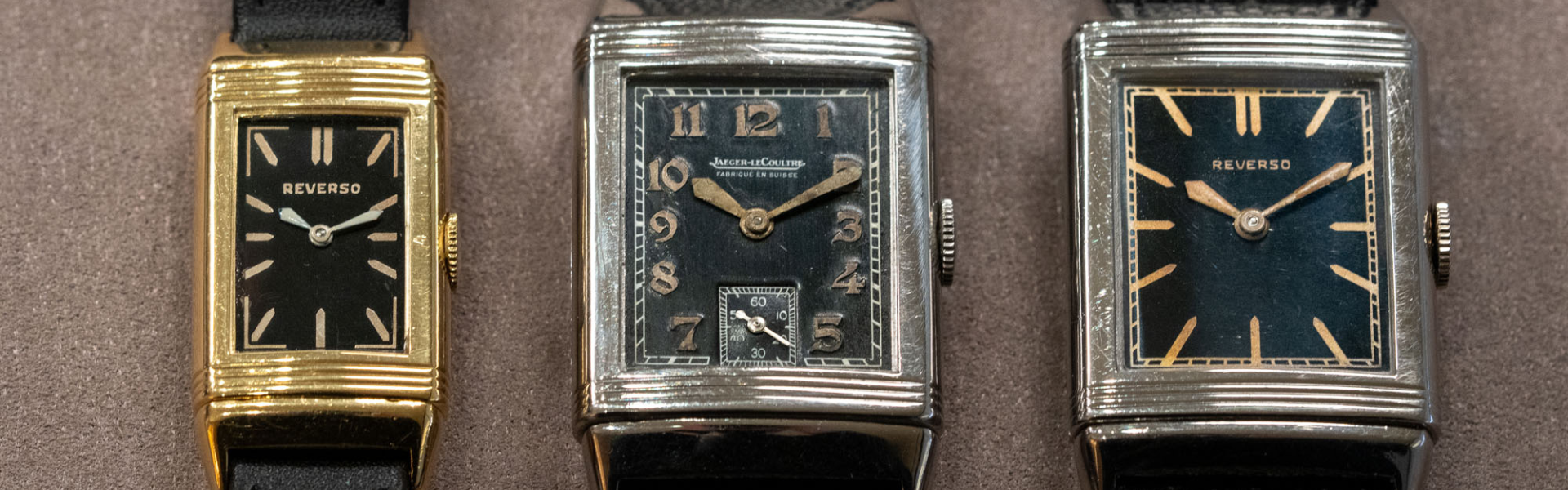
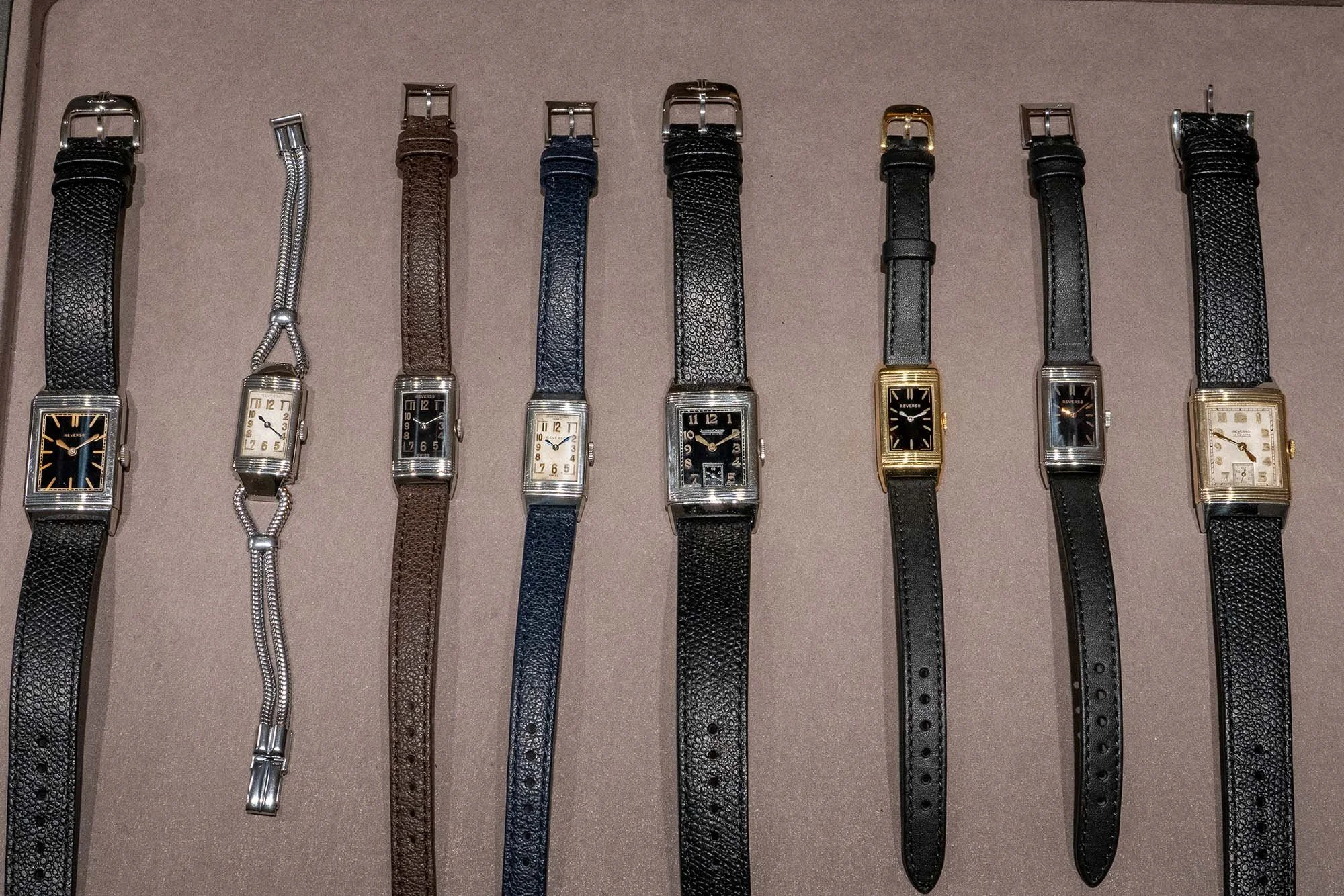
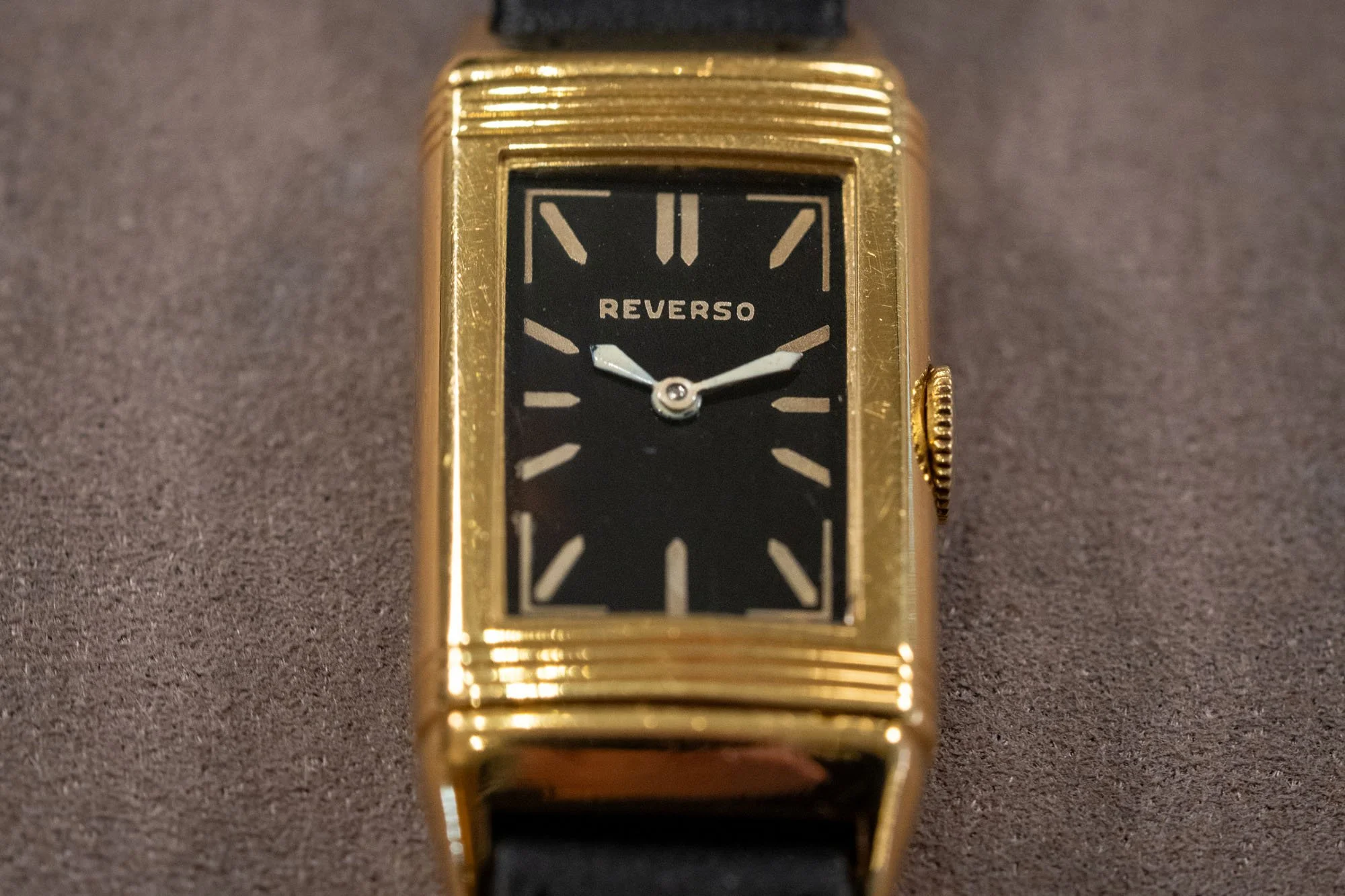
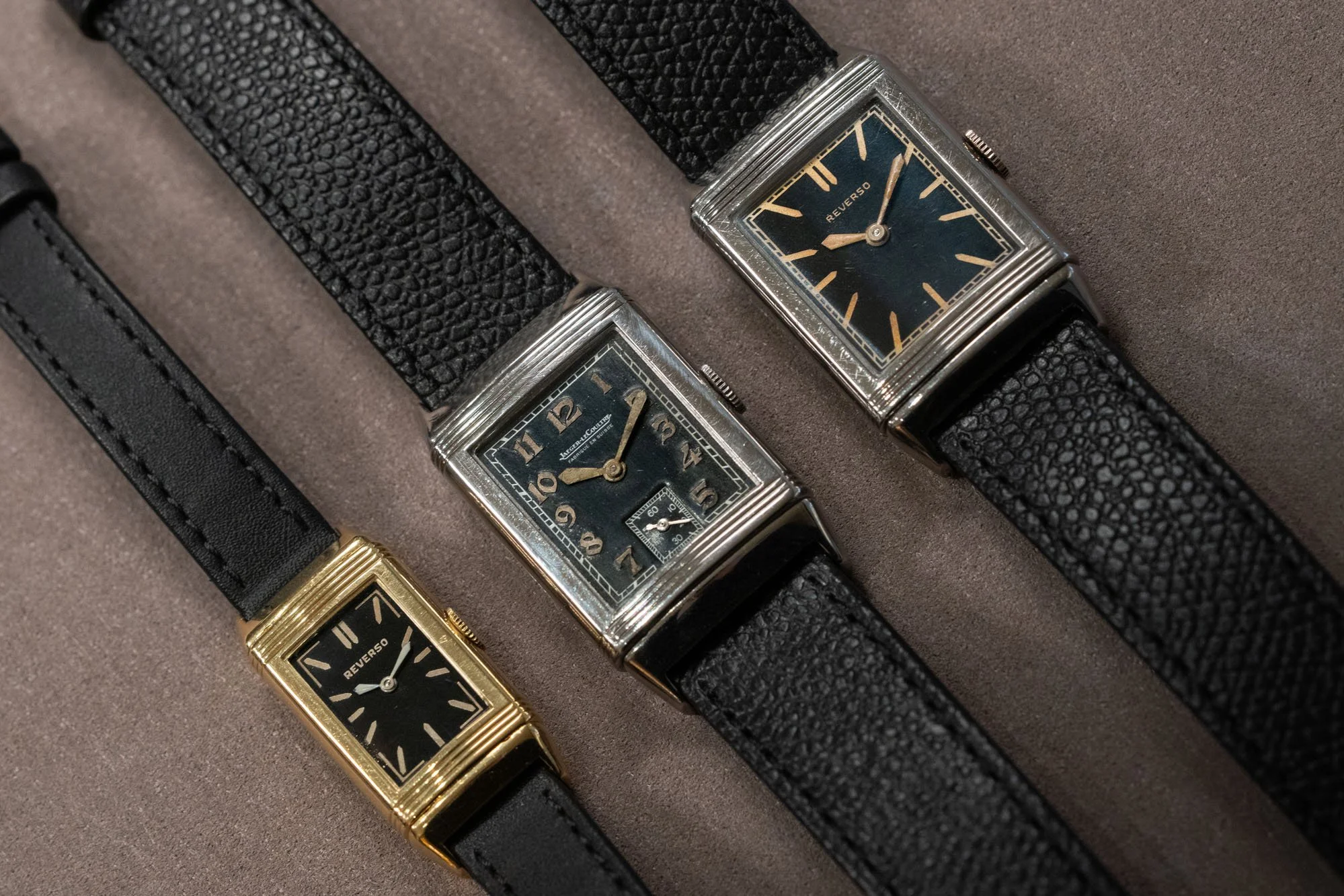
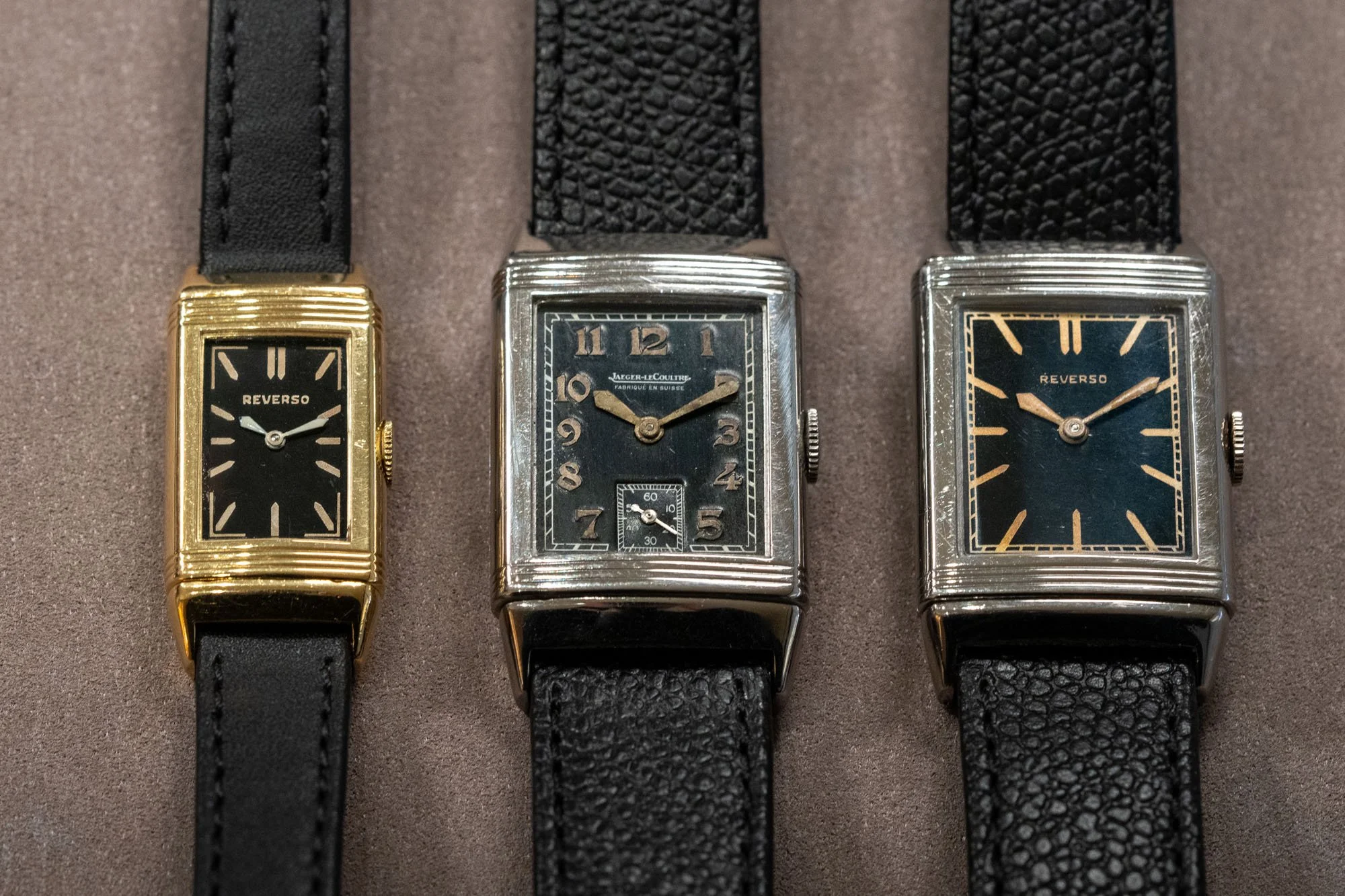
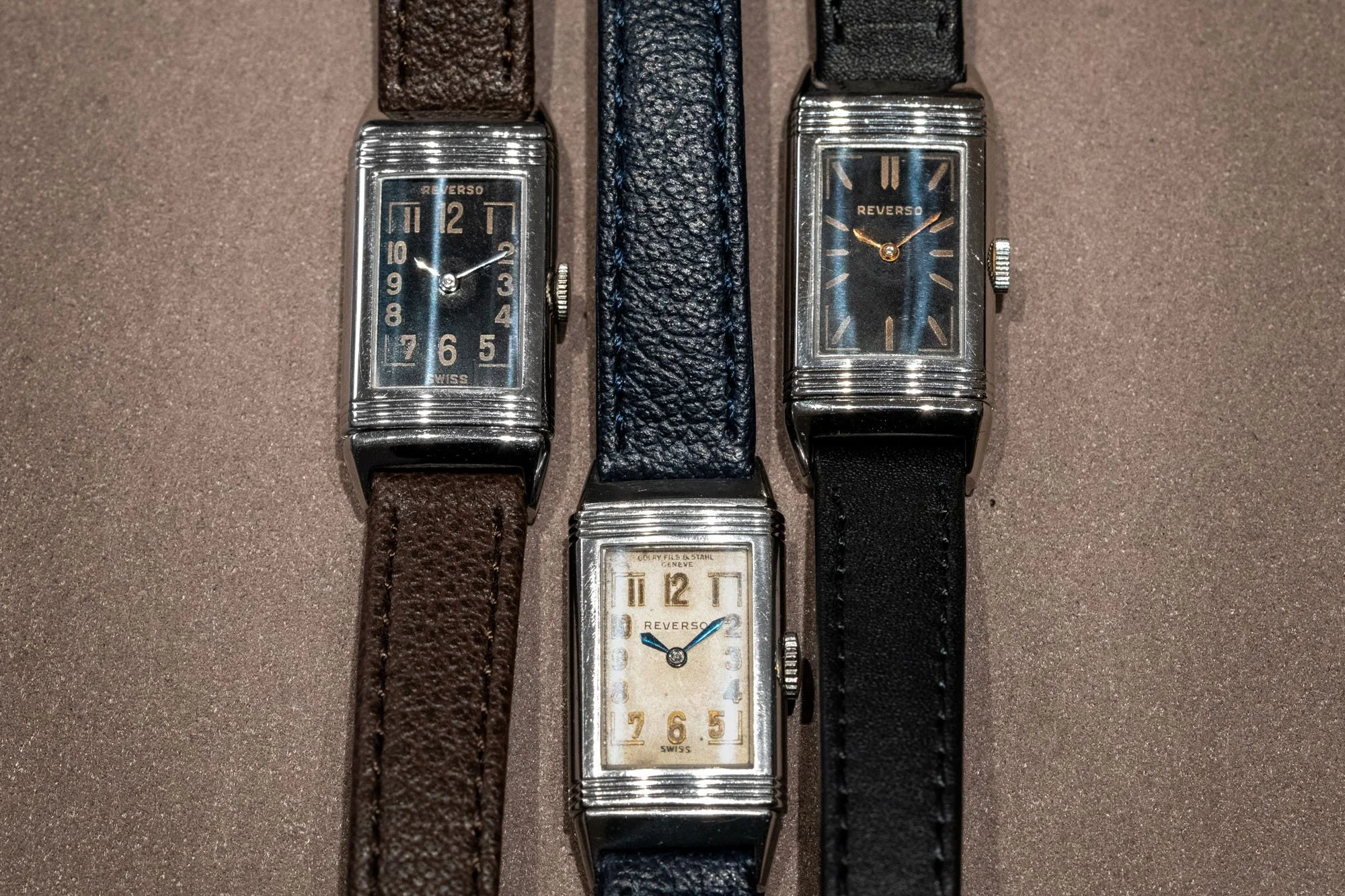
Left to Right: Reverso 1931 Dame , Reverso Small Seconds , Reverso 1931
As certified pre-owned programs have pushed their way into the headlines — this time backed by major brands rather than quietly ignored — many have begun to question the motives behind them. Are maisons genuinely looking to keep older watches in circulation, offering collectors a chance to explore past collections at a more accessible price point, backed by the confidence of the original manufacturer? Or, more cynically, are they attempting to exert control over the secondary market, strategically pushing and pulling prices to support current production while spotlighting select references at convenient moments?
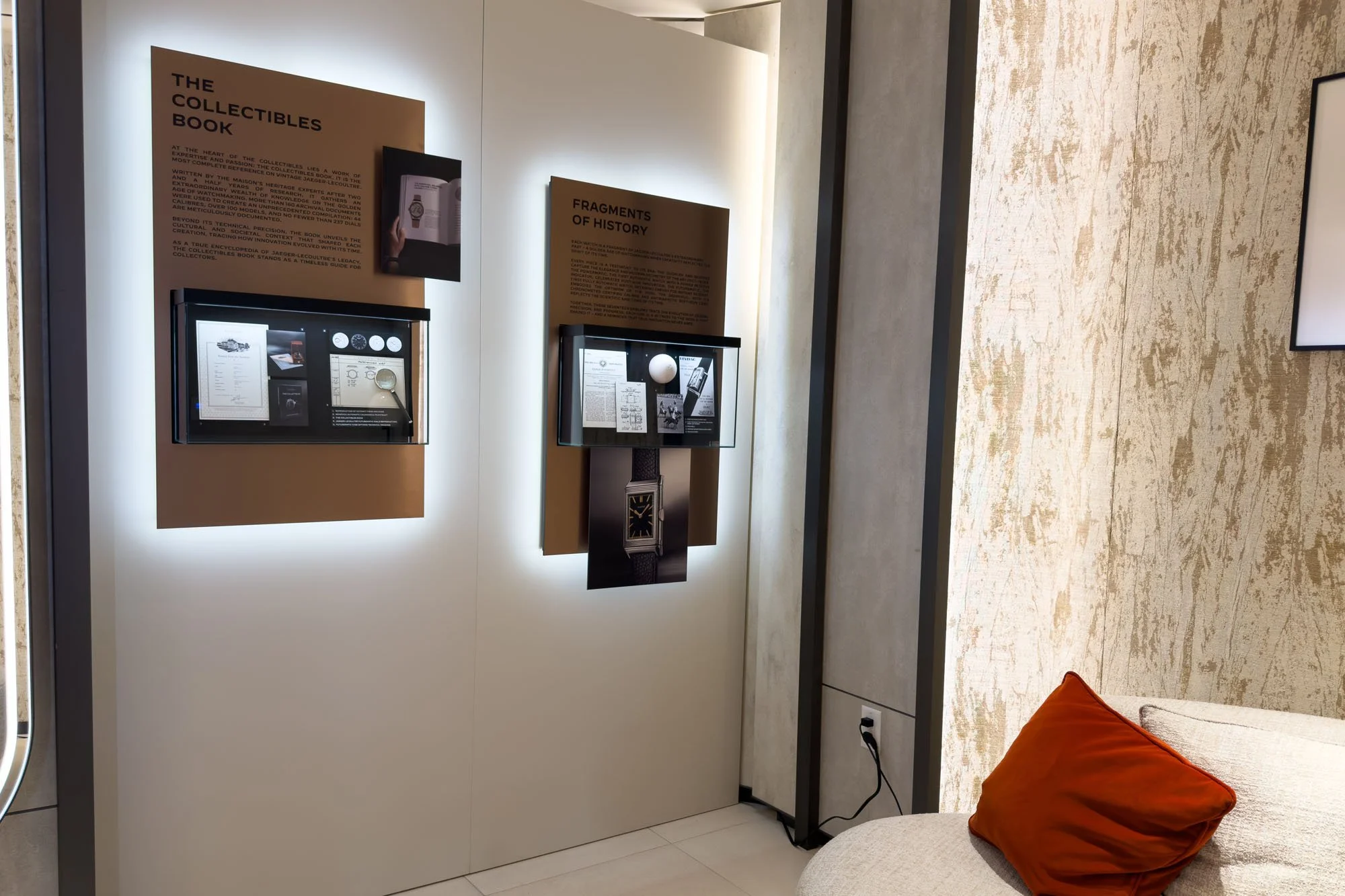
So what happens when a brand chooses not to participate in certified pre-owned in that conventional sense? Instead of curating inventory from recent production, imagine a maison engaging with the vintage market much like serious collectors do: hunting down rare references through estate sales, private collections, small auctions, and pure luck. Then, rather than simply reselling them, those watches are brought back to headquarters, meticulously restored by in-house master watchmakers — often using original parts — before being placed on public display in a museum-like setting. Only after that does the brand offer them for sale, backed not by marketing language, but by genuine craftsmanship and historical stewardship.
That, in essence, is the Jaeger-LeCoultre Capsule Collection. Now in its fifth installment — and currently on view in New York City — the series pays tribute to the maison’s history while celebrating traditional watchmaking at its highest level.
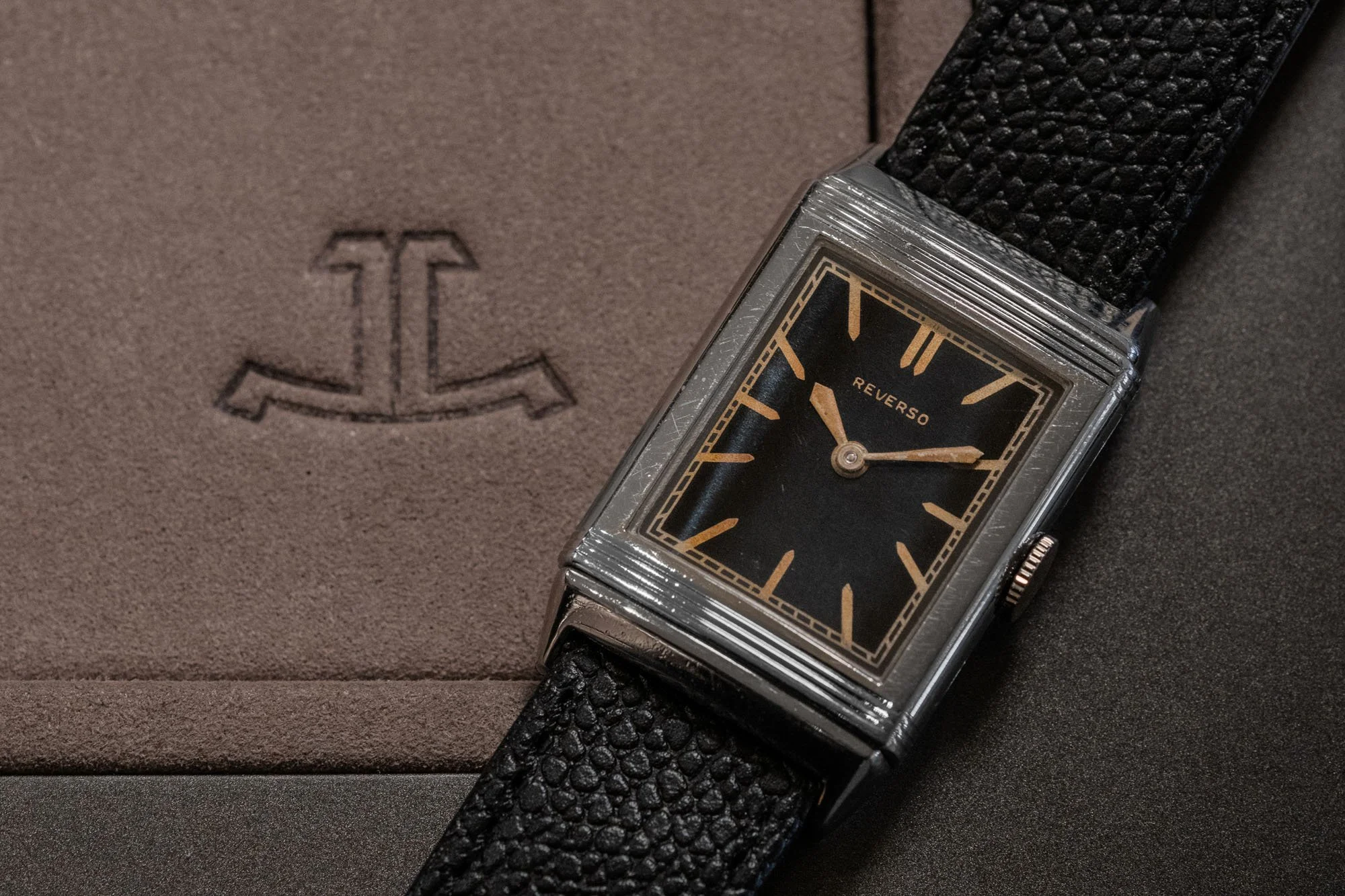
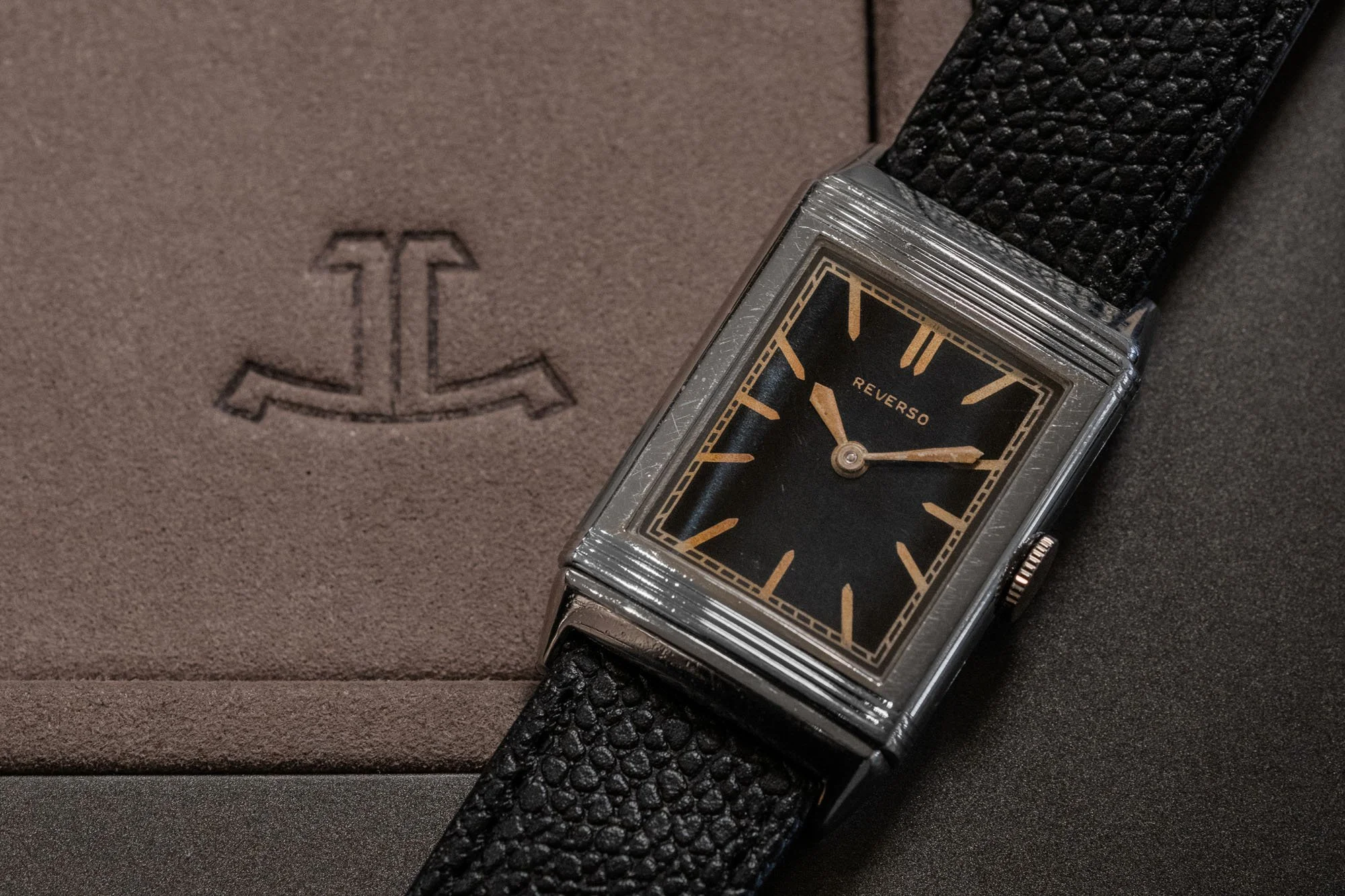
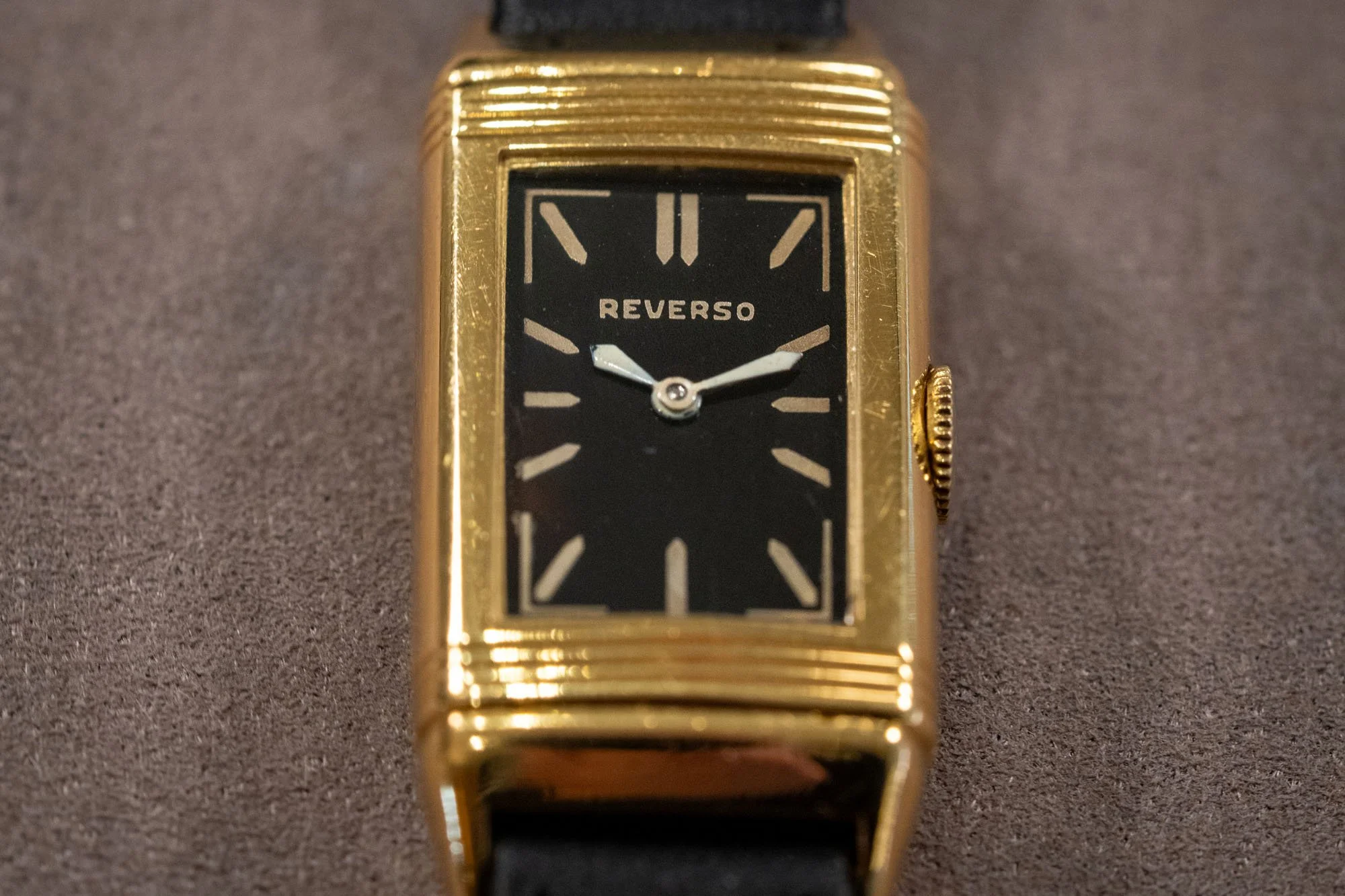
Jaeger-LeCoultre The Collectibles Reverso 1931 (Retails US $53,000)
A Viewing on Madison Avenue
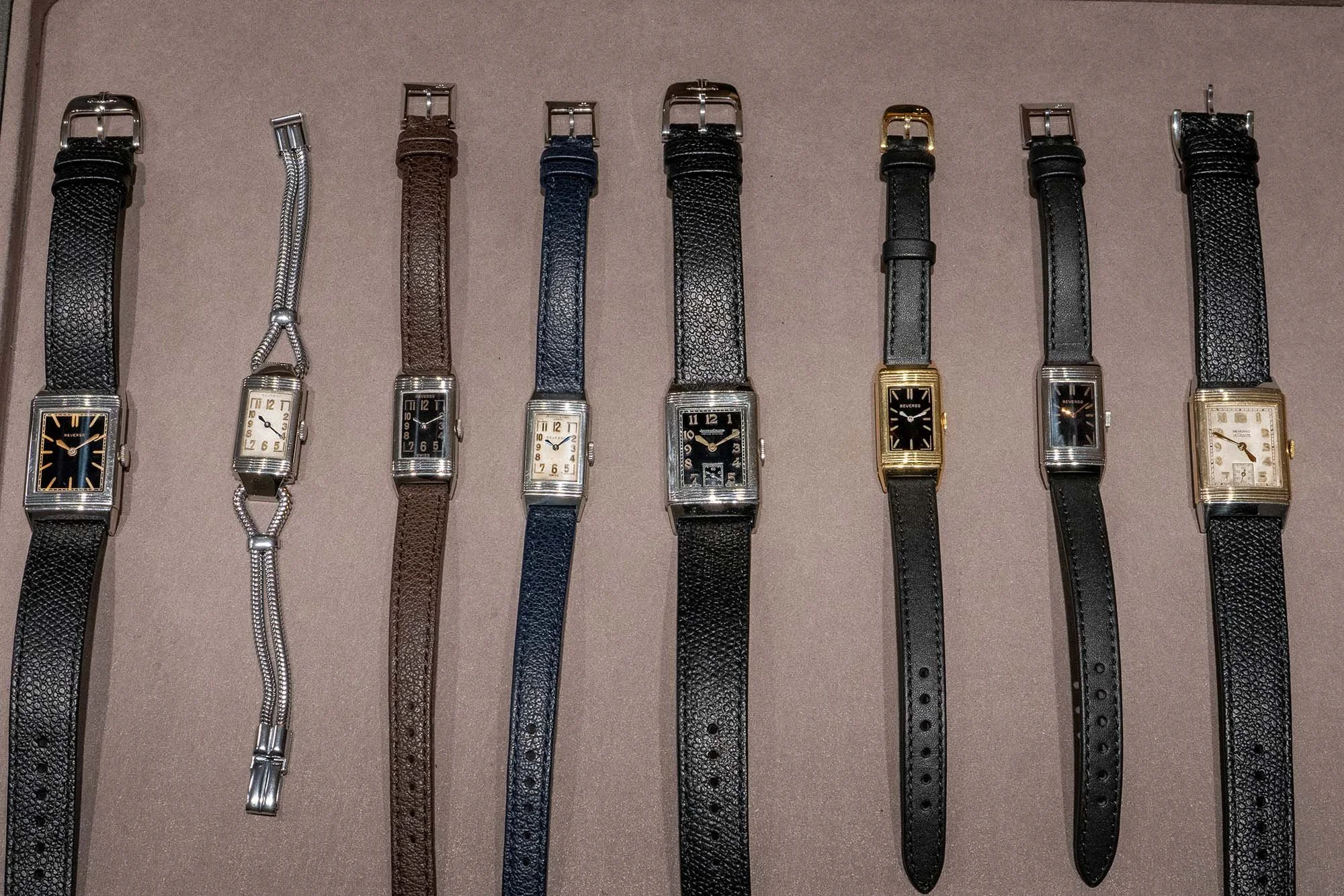
This past week, I was fortunate enough to be invited by Jaeger-LeCoultre for a private viewing of the collection at the Madison Avenue boutique. The exhibition centers on eight remarkable examples of the Reverso, each one representing a different moment in the model’s evolution while remaining unmistakably tied together by its iconic rectangular form.
Originally designed not as a sports watch, but as a watch made for sport, the Reverso’s history is inseparable from use — and that reality is visible here. Each piece carries its own distinct patina, intentionally preserved rather than erased, allowing the marks of time to speak to the journey each watch took before arriving back in Le Sentier.
Among the highlights is a Jaeger-LeCoultre Reverso 1931 Monoface. Strikingly modern in appearance, it feels almost anachronistic when placed against the prevailing silver-dial wristwatches of its era. Its black dial features a crisp railroad minute track along the perimeter, with compact sword hands marking the time, all housed within a steel case. Measuring a generous 39mm lug-to-lug by 21mm wide — large by the standards of the time — it dates to 1937 yet could easily pass for a contemporary design today.
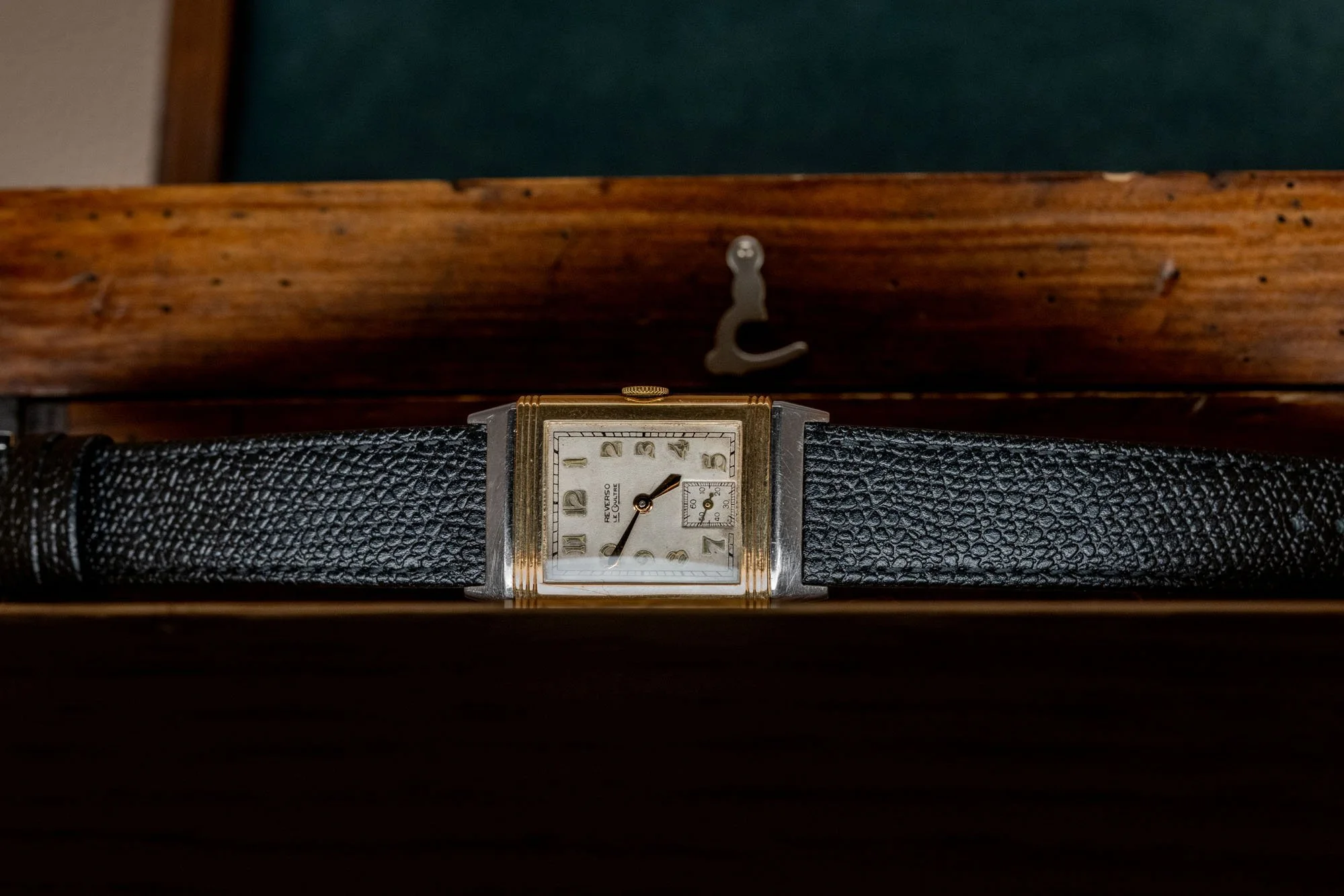
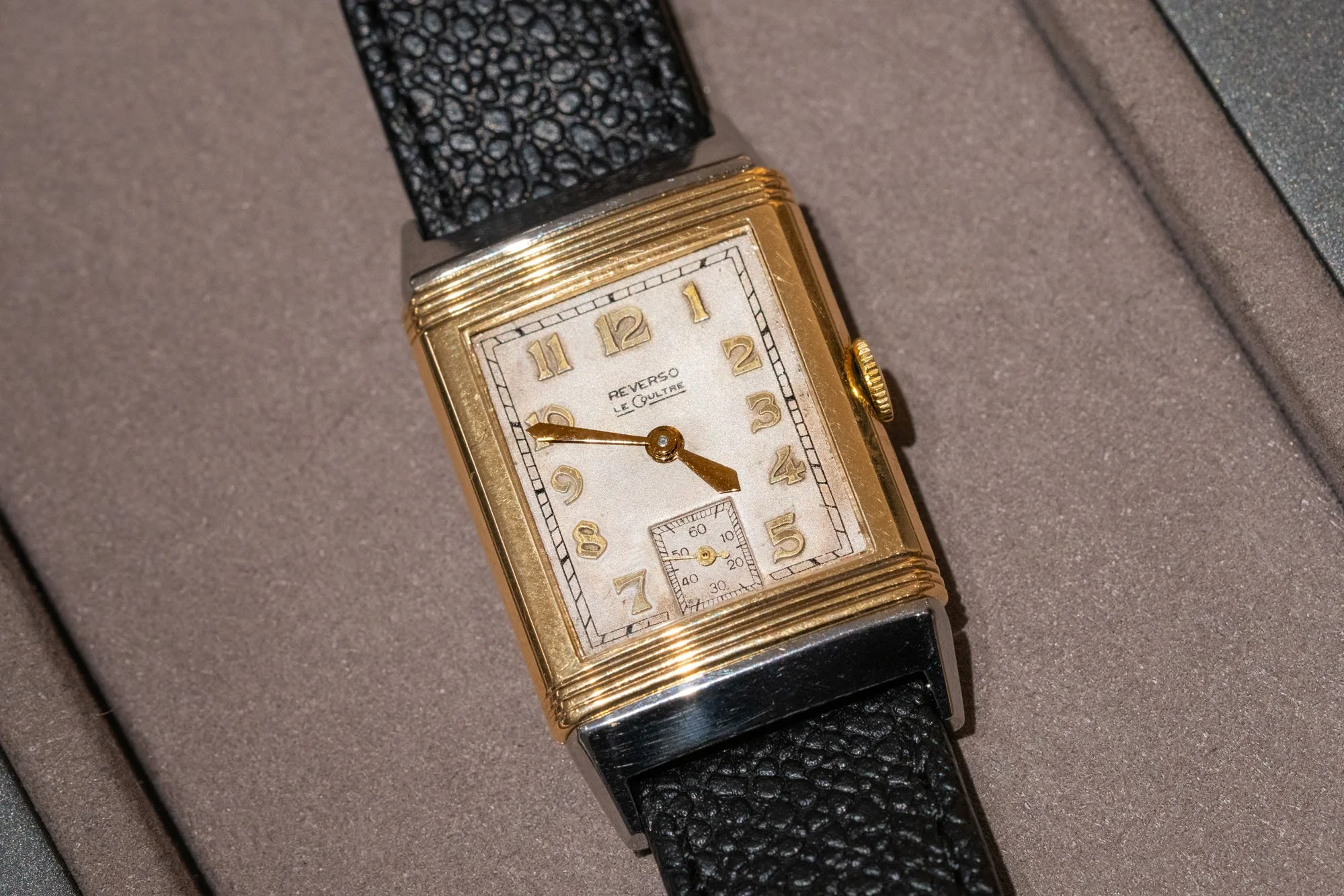
Jaeger-LeCoultre The Collectibles Reverso Small Seconds (Retails US $ 47,100)
Details That Reward Time
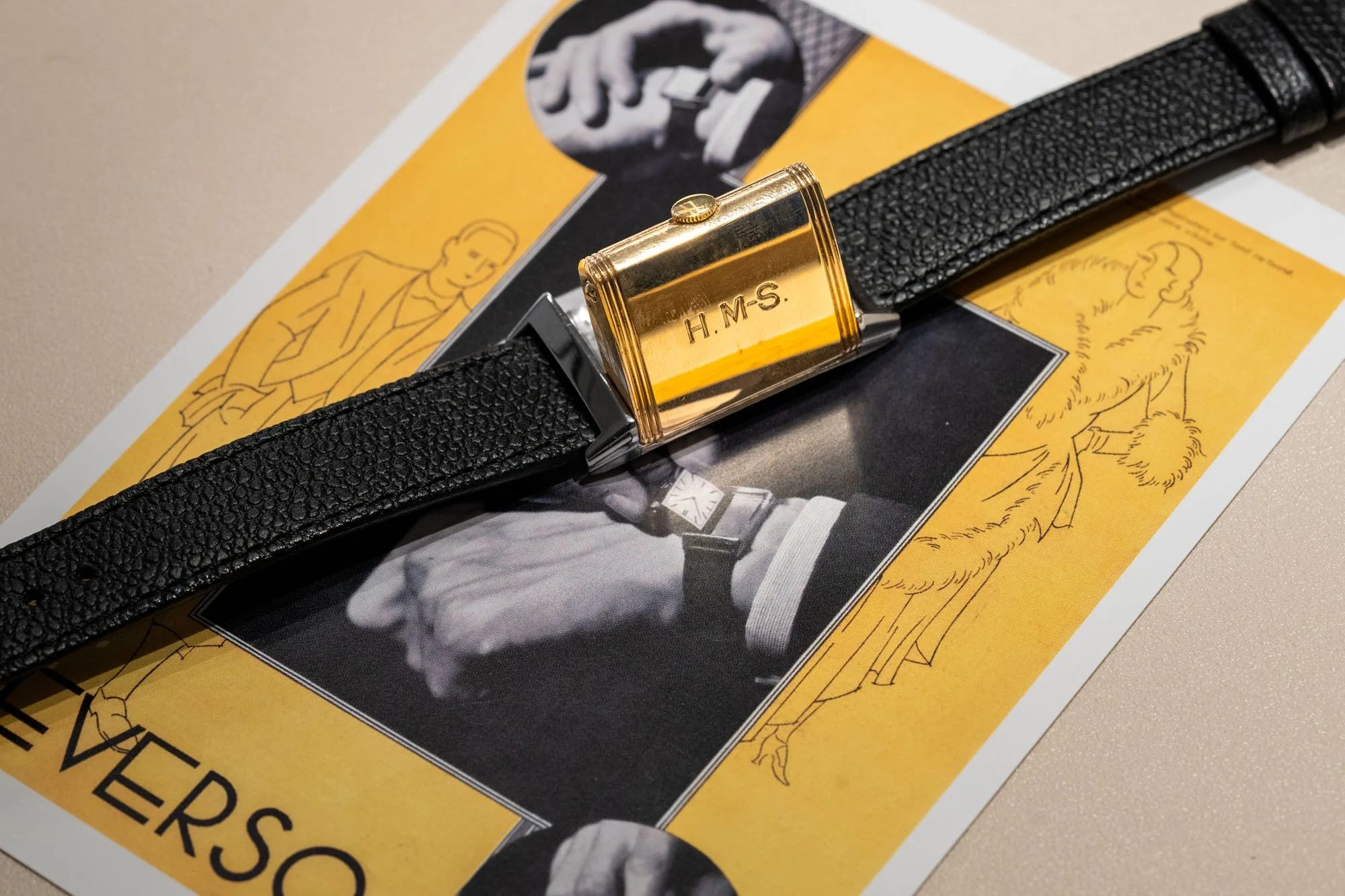
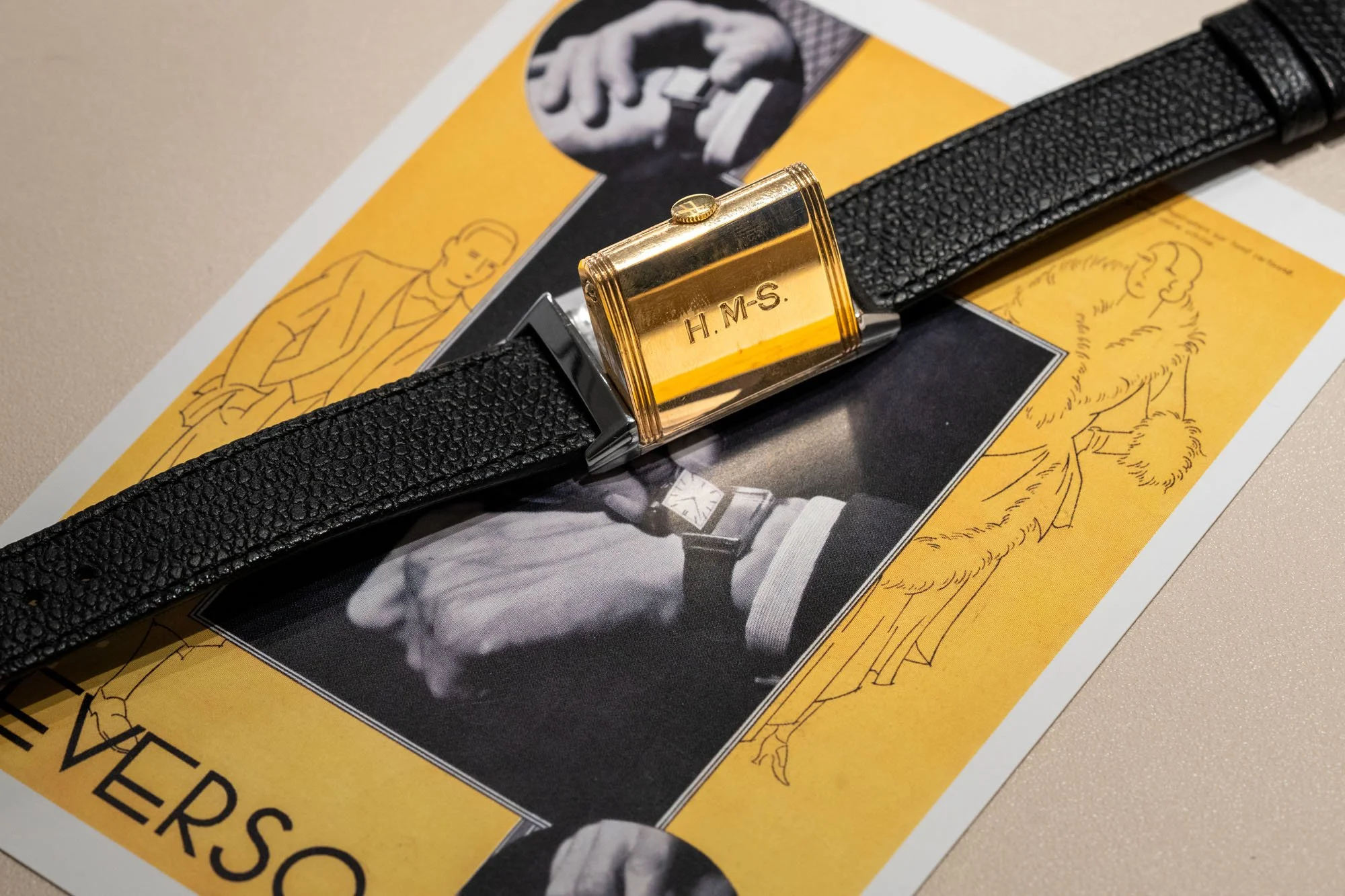
Another standout is an early two-tone Reverso Small Seconds from 1936, featuring a steel cradle paired with a 9k yellow gold case. More traditional in its dial layout, a soft grey backdrop supports gilt details and a black railroad minute track. Turn the case over, however, and a small but evocative detail emerges: the engraved initials “H.M-S.” left behind by one of its previous owners.
It’s an Easter egg that invites speculation rather than answers. Who was H.M-S.? What moments did this watch accompany? Combined with the dramatic Arabic numerals, restrained color palette, and mixed-metal construction, the piece strikes a balance between elegance and quiet playfulness. It was also remarkably responsive to changing light, shifting character depending on the angle — a quality that made it particularly difficult to put down.
These two watches alone consumed an outsized share of my time in the boutique. So much so that I admittedly spent less time with the stamped-dial Reverso beside them, the smaller-cased double-signed example, the chrome-bracelet ladies’ piece, and three other exceptional references that I will likely never encounter again — unless I manage to return before the exhibition closes on February 23.

Stewardship Over Control
While details around the next installment of the Capsule Collection remain under wraps — only that it will arrive sometime in the spring and will not focus on the Reverso — the philosophy behind the project already feels firmly established.
For me, this represents the ideal form of brand engagement with the vintage market. Not an attempt to control it, but a willingness to participate in it alongside collectors. To search, restore, document, and then openly share these watches — free for the public to experience — feels less like commerce and more like celebration. It’s a reminder that true brand stewardship isn’t about ownership of history, but about caring for it, and occasionally, giving it back.